Discover Aluminium Roof Lanterns for Natural Daylight
Uncover the Beauty of Modern Roof Lanterns: Architectural Trends for 2026
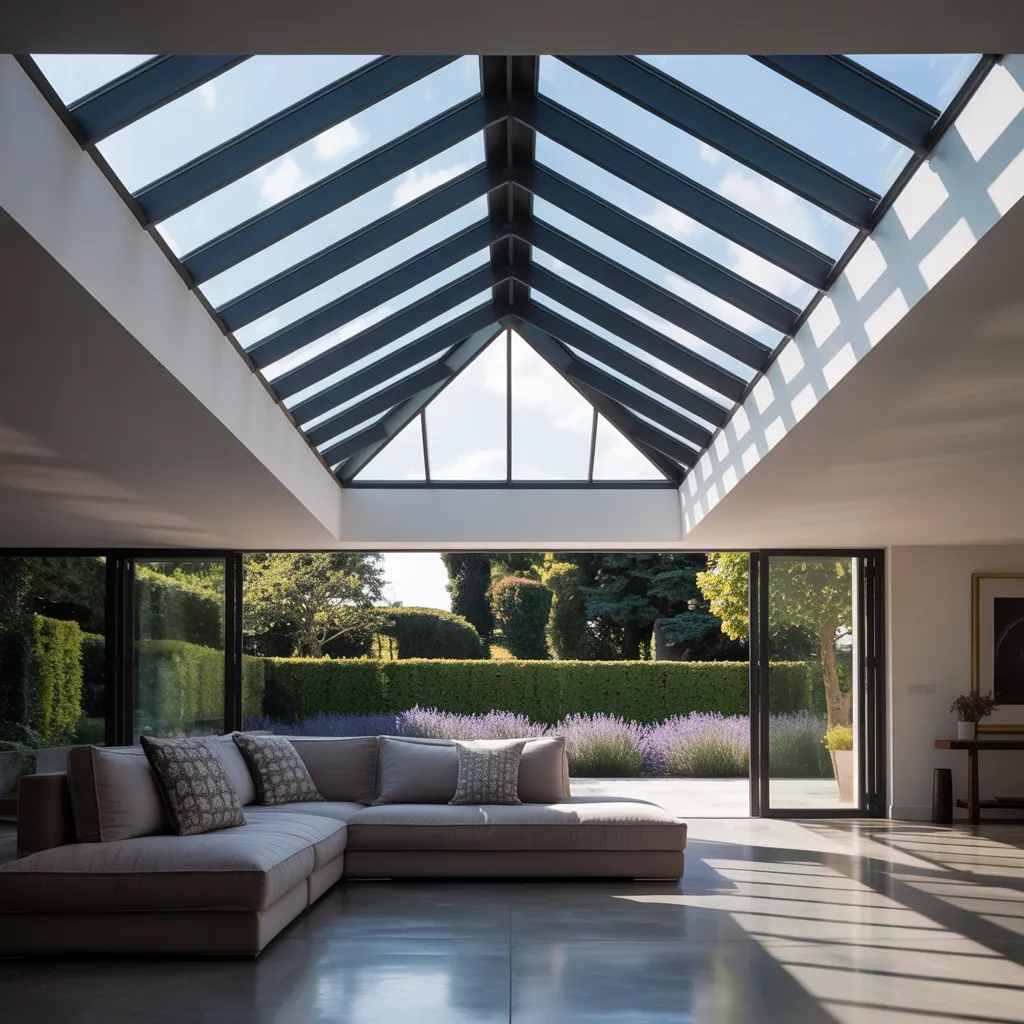
In 2026, cutting-edge roof lanterns are reformulating design innovation. Their elegant angular constructions and malleable feature selections supply both practical utility and visual appeal, connecting to modern aesthetic sensibilities. Eco-conscious component selections represent the current standard, advancing environmental responsibility combined with refinement. Advanced optical technologies boost natural brightness while delivering thermal performance. When these elements integrate, they generate welcoming view information about interior spaces that manifest a investment in environmental preservation and aesthetic excellence. What establishes these lanterns as essential to modern residences today?
The Advantages of Installing a Up-to-Date Roof Lantern
A modern roof lantern functions as a striking architectural element that improves both visual appeal and functionality. By permitting natural light to flood into a space, it greatly improves the atmosphere of interiors, producing a luminous and welcoming environment. This inflow of natural light can decrease the dependence on artificial lighting, thereby advancing energy efficiency and potentially lowering electricity bills.
Moreover, roof lanterns can aid in regulating interior climate, permitting enhanced air flow and movement. This could lead to a more pleasant residential space all year long. Their adaptable designs can suit assorted architectural styles, making them perfect for both contemporary and traditional homes.
Additionally, a roof lantern can deliver a unique focal point, drawing attention and enhancing the visual appeal to any room. Overall, the installation of a modern roof lantern not only elevates the aesthetic appeal of a home but also improves its practicality and energy efficiency, making it a worthwhile investment.
Trending Roof Lantern Materials in 2026
In 2026, the selection of substances for modern roof lanterns demonstrates a blend of innovation and environmental responsibility. Architects and designers more and more favor eco-friendly alternatives, such as recycled aluminum and sustainably sourced timber. These materials not only reduce environmental impact but also provide a modern appearance.
Glass remains a popular choice, with advancements in high-performance glazing technology delivering superior insulation and ultraviolet protection. This gives homeowners to benefit from natural light while minimizing energy consumption.
Additionally, composite materials are gaining momentum, merging the durability of artificial materials with the beauty of authentic looks. This tendency fulfills both functional and aesthetic demands, maintaining extended lifespan without compromising style.
In the final analysis, the materials selected for roof lanterns in 2026 prioritize both operational excellence and appearance, establishing elegant, eco-conscious alternatives that upgrade living spaces while upholding modern ecological standards.

Exclusive Roof Lantern Designs to Elevate Your Interior and Exterior Look
A range of roof lantern styles provide a blend of contemporary and classic aesthetics that can significantly elevate both indoor spaces and exteriors. Modern geometric patterns provide a polished, contemporary appearance, while classic Victorian influences contribute a sense of sophistication and appeal. Exploring these different options enables property owners to enhance their spaces with unique architectural features.
Current Geometric Designs
Contemporary geometric designs in roof lanterns deliver a striking combination of effectiveness and aesthetic appeal. These progressive structures often showcase sharp lines, angular shapes, and minimalist frameworks that create a present-day look while enhancing natural light. By integrating materials such as glass and metal, designers render a sleek, sophisticated finish that complements various architectural styles. The interplay of light and shadow through these geometric forms enriches both indoor and outdoor spaces, creating visually engaging environments. In addition, customizable options allow homeowners to select sizes and shapes that fit their specific needs, ensuring that each lantern serves as a unique focal point. Ultimately, contemporary geometric roof lanterns elevate spaces with their stylish designs and practical benefits.
Historic Victorian Components
While modern designs govern the market, traditional Victorian influences in roof lanterns continue to enchant homeowners looking to improve their exteriors and interiors. Marked by detailed ornamentation, ornate frames, and refined glass design, these lanterns inspire a sense of timeless charm. The use of wrought iron and stained glass is common, reflecting the craftsmanship of the Victorian era. Homeowners value how these designs create a striking focal point while enabling natural light to flood spaces. In both traditional and contemporary settings, Victorian-style lanterns effortlessly blend history with modernity, providing a unique aesthetic that suits diverse architectural styles. As the design landscape evolves, the enduring appeal of traditional Victorian elements remains a significant trend in roof lantern choices.
Selecting the Best Roof Lantern for Your Home?
When selecting the ideal roof lantern for a home, homeowners should consider both visual beauty and functional benefits. The style should complement the architectural style of the property, whether it be contemporary, traditional, or somewhere in between. Dimensions is another vital consideration; the lantern should adequately suit the space to increase natural light without dominating the room.
Material options, such as aluminum or wood, can in addition impact the overall look and durability of the lantern. Homeowners should examine the type of glazing, as options like double or triple glazing can enhance insulation and energy efficiency. Additionally, color and finish should match with existing decor to produce a cohesive appearance.
Practical points, such as upkeep simplicity and installation requirements, are equally necessary. Ultimately, a judiciously selected roof lantern can elevate a home's interior while providing lasting practicality and charm.
Green Roof Lantern Implementation
Incorporating environmental practices into roof lantern design gives homeowners an opportunity to improve both visual quality and environmental stewardship. Modern roof lanterns can be produced from sustainable materials such as reclaimed wood and recycled aluminum, minimizing the carbon footprint stemming from production. Moreover, designers are progressively focusing on high-performance glazing that maximizes natural light while reducing heat loss, contributing to lower energy bills.
Also, adding solar panels into roof lantern designs makes it possible for harnessing renewable energy, additionally boosting sustainability. The adoption of low-VOC paints and finishes provides healthier indoor air quality, aligning with eco-conscious living.
The emphasis on green building practices not only enhances the visual appeal of a home but also aligns with a expanding movement towards eco-conscious lifestyle. As homeowners stress sustainability, roof lanterns that express these standards will emerge as both visually appealing and ethical selections.
Effortless Maintenance Suggestions for Your Roof Lantern
Regular care is important for preserving the visual appeal and usefulness of roof lanterns. To guarantee optimal functioning, it is suggested to wash the glass surfaces regularly using a soft cloth and a light cleanser. This stops the buildup of dirt and grime that can block natural light. Additionally, examining the seals and gaskets for wear or damage is important; replacing them quickly can stop leaks and maintain energy efficiency.
Examining the frame and supporting framework for rust or oxidation ensures ongoing durability. If metal components show signs of deterioration, applying a shielding layer can extend their duration. Moreover, during seasonal changes, it is prudent to remove foreign matter such as leaves or snow that might collect on the lantern.
Frequently Asked Questions
What Is the Average Price of Current Roof Lanterns in 2026?
In 2026, the typical expenses of modern roof lanterns vary between $1,500 to $5,000, shaped by factors including size, materials, and design complexity, reflecting the shifting patterns in residential design and aesthetics.
How Can Roof Lanterns Change Your Home's Energy Efficiency?
Roof lanterns enhance home energy performance by maximizing natural light, decreasing dependence on artificial lighting. Their design can enhance ventilation, allowing for better temperature regulation, ultimately leading to lower energy consumption and more sustainable living environments.
Do natural light fixtures have the ability to be mounted on older roofs?
Roof lanterns can be placed on current roof structures, as long as the structural integrity is evaluated. Professional installation guarantees alignment with your existing roof setup and increases sunlight while boosting energy performance and visual appeal in the home.
How Long Is the Service life of a Present-day Roof Lantern?
The lifespan of a contemporary roof lantern generally ranges from 20 to 30 years, depending on materials, maintenance, and susceptibility to environmental factors. Consistent upkeep can improve durability and performance over time.
Can Roof Lanterns function in All Types of Weather Conditions?
Roof lanterns can be suitable for different climates, as long as they are properly designed and mounted. Insulation, construction components, and water management considerations are essential to ensure functionality and durability in both extreme heat and cold conditions.